
News & Insights ·
Vehicle Downtime - The Hidden Cost of the Last Mile
In last-mile operations, vehicle downtime is not simply a maintenance issue. It is a commercial performance issue. For carriers and postal services, one unavailable vehicle can mean missed delivery windows...
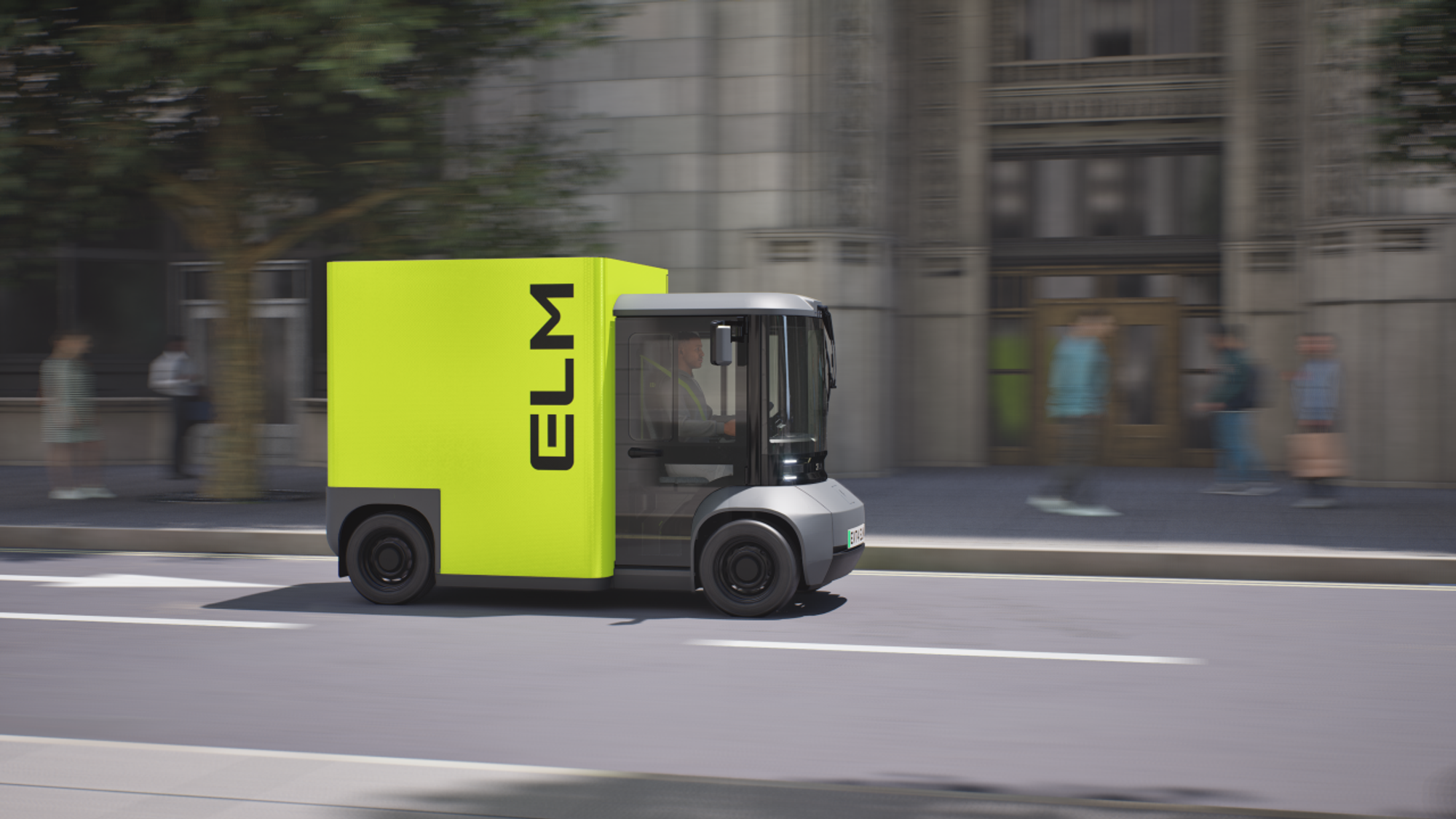
In last-mile operations, vehicle downtime is not simply a maintenance issue. It is a commercial performance issue.
For carriers and postal services, one unavailable vehicle can mean missed delivery windows, disrupted routes and costly replacement capacity. For utilities, it can delay an essential repair or critical items not to be delivered. For leisure operators, it can affect service quality at precisely the moment their guests expect a seamless experience.
Yet fleet purchasing decisions are still too often dominated by acquisition price, range, and headline specifications. The more important question is, how consistently will the vehicle perform its intended role?
The true cost of downtime extends well beyond the repair invoice. It includes driver inactivity, vehicle recovery, route reallocation, replacement hire, missed appointments, customer complaints, and management time. In intensive operations, even a relatively inexpensive vehicle becomes costly if it is frequently unavailable.
Future fleet solutions must therefore be designed around uptime from the outset. This means a purpose designed vehicle with robust construction, fewer unnecessary components, easy access for maintenance and the ability to replace damaged parts quickly. Remote diagnostics should identify emerging problems before they cause a failure, while connected fleet systems should provide operators with real time visibility of vehicle health.
Manufacturers must also rethink aftersales support. Fleet customers do not simply need a warranty, they need a clear uptime strategy covering parts availability, technical support, mobile servicing, and replacement vehicles.
Electrification offers an opportunity to simplify commercial vehicles, reduce routine maintenance and lower operating costs. However, replacing an internal-combustion powertrain with a battery is not enough. Vehicles must be designed specifically around the routes, payloads, drivers, and working environments they serve.
The winners in future mobility will not necessarily be the vehicles with the longest range or most technology. They will be the solutions that are purposefully designed around the carrier business needs, can perform day after day, and have the aftersales back up they need.
ELM Mobility
ELM Mobility has developed a ground-up, purpose built micro mobility electric platform for last mile operations. Combining a compact footprint, high load efficiency, robust construction, and ease of maintenance, it targets lower cost per delivery and reduced downtime. Its evolving ecosystem of vehicles, digital tools, connectivity, and support offers fleets a practical route to zero-emission operations.