
News & Insights ·
The voice of the customer: vital conversations as part of the creative process
When developing an all-new last-mile electric delivery vehicle, it’s tempting to start with the obvious specifications: range, payload, battery capacity, dimensions, performance, and cost. All are important,but at ELM...
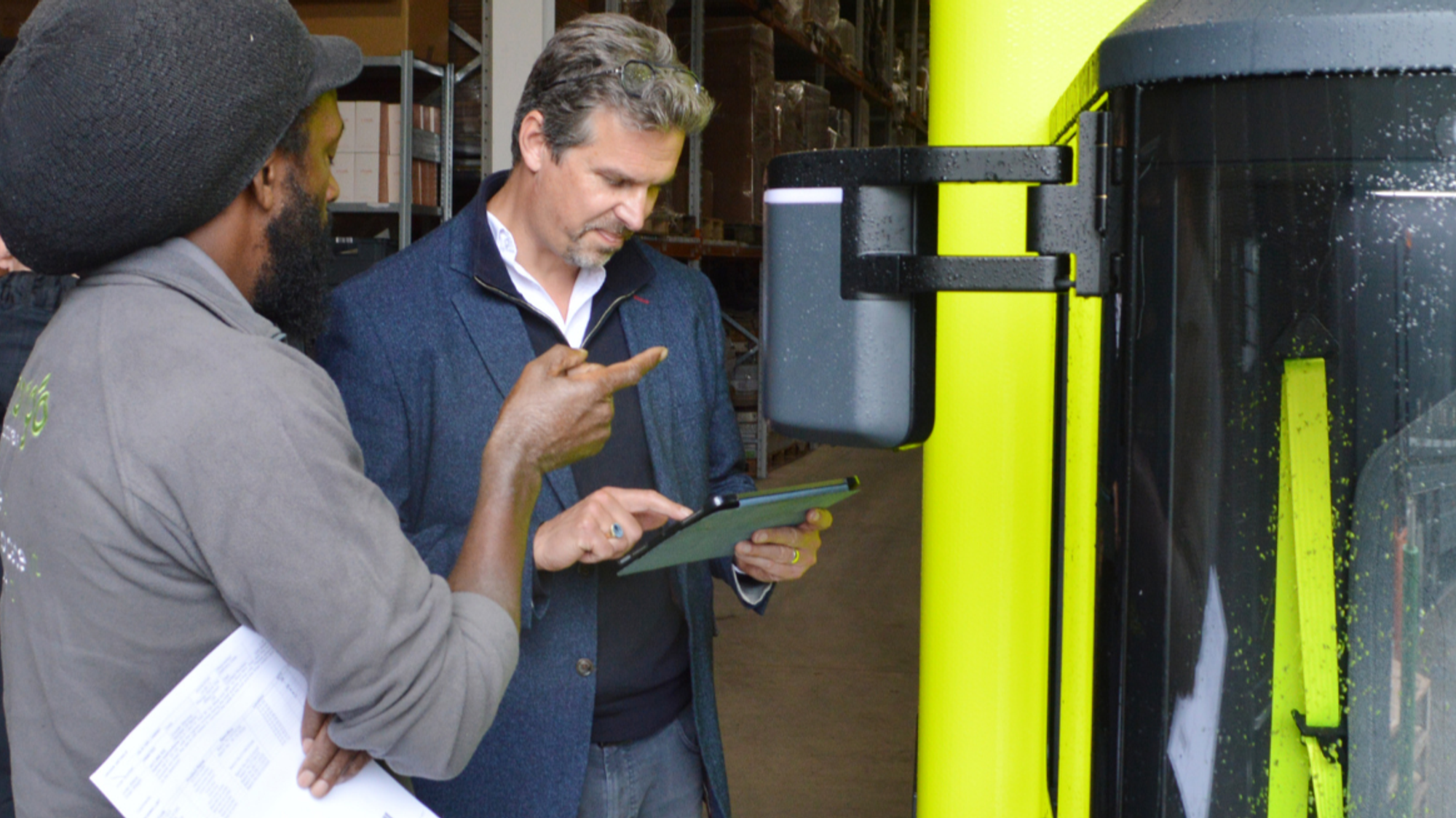
When developing an all-new last-mile electric delivery vehicle, it’s tempting to start with the obvious specifications: range, payload, battery capacity, dimensions, performance, and cost. All are important, but at ELM Mobility we decided to start somewhere else…with the customer.
Over recent months, we have spent considerable time engaging with logistics and courier businesses, fleet managers, operational teams and, importantly, the people who drive these vehicles every day. Our objective is to understand not only what it takes to operate a busy last-mile logistics business today, but how those requirements are likely to change in the future. These vital conversations cannot be had from behind a desk.
Listening to the drivers has been extremely valuable. A last-mile driver enters and exits their vehicle repeatedly throughout a shift while operating around pedestrians, cyclists, parked cars and busy traffic. This makes apparently small details – things like step height, door width, visibility, mirror positioning, seating, legroom, heating, ventilation, storage and easy access to cargo – incredibly important. Individually these may appear minor, collectively they can have a significant impact on fatigue, safety and productivity. And, of course, no two drivers will be the same size or shape, so the right level of adjustability is key.
These ‘voice of the customer’ discussions have reinforced that fleet operators don't experience a vehicle simply as a list of tech specs. Yes, range, payload and cargo capacity matter, but so do reliability, safety and, critically, what happens when something goes wrong.
Vehicle downtime is a topic which has come up again and again during these meetings. Being off the road can mean missed deliveries, disrupted routes, additional resources being deployed and therefore increased operating costs. Our potential customers had really great questions: how quickly can a technician respond, can I get a replacement at short notice, is remote diagnosis possible, can modular components be replaced quickly, can telematics identify a developing problem before it causes an issue? It’s these and many other questions we’re working to answer at ELM.
In case you missed the news, we at ELM are developing a new generation of purpose-built electric utility vehicles specifically around the requirements of last-mile operations. Rather than adapting a conventional vehicle architecture for urban delivery, we are considering the complete ecosystem from the outset. That’s not just driver ergonomics, but everything from vehicle size, energy efficiency, connectivity, remote diagnostics, serviceability, parts, and aftersales support. That’s where we believe ELM can differentiate itself.
Our ambition isn't simply to build another electric delivery vehicle. It’s to develop a purpose build last-mile mobility solution around the people and businesses that depend on it every day and one that is ready for where last mile delivery is going next.
Get in touch with our team directly to discuss your urban logistics needs.